


การออกแบบแสงสว่างในร้านอาหาร: คู่มือปฏิบัติ
2 นาทีในการอ่าน
2 นาทีในการอ่าน
ในร้านอาหาร, แสงไม่ใช่การตกแต่ง — มันเป็นส่วนหนึ่งของอาหาร, บรรยากาศ และระยะเวลาที่ผู้คนต้องการอยู่ ห้องเดียวกันสามารถรู้สึกเหมือนโรงอาหารที่สว่างในตอนเที่ยงและห้องรับประทานอาหารที่ใกล้ชิดในตอนกลางคืน, และความแตกต่างนั้นแทบทั้งหมดมาจากแสง
คู่มือนี้จะอธิบายวิธีการให้แสงในร้านอาหารหรือบาร์เหมือนกับที่นักออกแบบแสงในอุตสาหกรรมการบริการจะทำ — ชั้น, ตัวเลขทางเทคนิคที่ทำให้อาหารและใบหน้าดูดี, ฉากที่พาพื้นที่จากมื้อกลางวันไปจนถึงดึกดื่น, และความผิดพลาดที่เงียบๆ ทำให้ประสบการณ์เสียหาย (และภาพถ่ายที่แขกโพสต์)

ร้านอาหารต้องการแสงมากกว่าภายในอื่นๆ แทบทุกประเภท มันต้องทำให้ดูดีทั้งอาหารและผิวหนัง, ตั้งบรรยากาศที่ตรงกับแนวคิด, นำทางแขกและพนักงาน, และเปลี่ยนแปลงตลอดทั้งวัน — ทั้งหมดนี้ต้องทนต่อความร้อน, น้ำมัน และการทำความสะอาดอย่างต่อเนื่อง ทำให้ถูกต้องและห้องรู้สึกอบอุ่นและมีการพิจารณา; ทำผิดและแม้แต่อาหารที่ยอดเยี่ยมก็ดูแบนราบ
เช่นเดียวกับแผนดีๆ ทุกอย่าง คำตอบคือ ชั้น — ไม่ใช่แหล่งแสงที่สว่างเพียงแหล่งเดียว แต่หลายแหล่งทำงานร่วมกัน
แสงทั่วไปควรนุ่มนวลและมืด โดยเฉพาะในตอนเย็น แสงเพดานที่สว่างและสม่ำเสมอทำลายบรรยากาศ คิดถึงการล้างผนัง, แสงที่ไม่ตรงและแสงดาวน์ไลท์ที่มีเอาต์พุตต่ำ — เพียงพอที่จะเคลื่อนที่ได้อย่างปลอดภัย, ไม่มากพอที่จะทำให้ห้องดูแบนราบ
ชั้นที่สำคัญที่สุด แสงอุ่นที่กระจายอยู่บนโต๊ะแต่ละตัวทำให้อาหารเป็นพระเอกและสร้างบรรยากาศที่ใกล้ชิด "ทุกโต๊ะรู้สึกเป็นส่วนตัว" แสงที่เข้มข้น, แสงจ้าในระดับต่ำ, และแสงที่มุ่งไปที่จาน — ไม่เข้าตาแขก
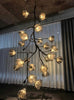
โคมไฟระย้าเหนือบาร์, กลุ่มเหนือโต๊ะกลาง, การติดตั้งที่เป็นรูปทรงในช่องว่าง นี่คือสิ่งที่แขกถ่ายภาพและทำให้สถานที่มีเอกลักษณ์
บาร์, ครัวเปิด, สถานีบริการและการไหลเวียนต้องการแสงงานที่สว่างและมีค่า CRI สูงขึ้น — ต้องมีความสมดุลเพื่อไม่ให้รบกวนบรรยากาศการรับประทานอาหาร
สำหรับด้านวิศวกรรม — ฟอตอเมตริกส์ ออปติก ไฟล์ IES และการควบคุม — ดูที่หน้า แสงสว่างทางเทคนิคและสถาปัตยกรรม ของเรา

โคมไฟที่โดดเด่นตั้งโทนเสียง ชมกฎบางประการ:
เรียกดูชิ้นงานอ้างอิงใน โคมระย้า และ โคมแขวน ของเรา — สามารถปรับขนาด การตกแต่ง และการก่อสร้างให้เหมาะกับสถานที่ของคุณได้
F&B เป็นสภาพแวดล้อมที่ยากลำบาก เลือกใช้วัสดุที่ทนทานและทำความสะอาดได้ — ทองเหลืองแท้ สแตนเลส สตีล แก้ว — และการตกแต่งที่ระบุเพื่อทนต่อความร้อน ไขมัน และการเช็ดบ่อยๆ โคมไฟที่สวยงามซึ่งเกิดสนิมหรือเหลืองในหนึ่งปีถือเป็นการประหยัดที่ผิดพลาด
โคมไฟในแคตตาล็อกมักไม่เหมาะกับขนาด แนวคิด หรืองบประมาณของห้องเฉพาะ โคมไฟที่กำหนดเอง (หรือปรับตามสเปค) ช่วยให้คุณตรงตามเจตนาการออกแบบได้อย่างแม่นยำ ปรับขนาดฟีเจอร์ให้เข้ากับพื้นที่ และปรับวัสดุให้ตรงกับงบประมาณ — ในขณะที่ยังคงมาตรฐานระดับการบริการที่ดี ที่ RODESIGNE เราออกแบบและผลิตทั้งโคมไฟตกแต่งและเทคนิคตามสเปค สร้างจากข้อมูลอ้างอิงหรือเอกสารสั้นของคุณ ผลิตตัวอย่างในไม่กี่วัน และจัดส่งและติดตั้งทั่วโลก — ตั้งแต่โคมไฟระย้าในบาร์เดียวไปจนถึง แพ็คเกจไฟส่องสว่างและ FF&E สำหรับการบริการ แบบครบวงจร
กำลังจัดแสงให้กับร้านอาหาร บาร์ หรือพื้นที่ F&B ของโรงแรมอยู่หรือไม่?
ส่งภาพเรนเดอร์ แบบแปลน หรือเอกสารสั้นมาให้เรา แล้วเราจะส่งขอบเขตการจัดหา ประมาณการ และกำหนดการส่งมอบกลับไป
อุณหภูมิสีไหนดีที่สุดสำหรับร้านอาหาร?
อบอุ่น — 2200–2700K เหนือพื้นที่รับประทานอาหาร — เพื่อให้รู้สึกอบอุ่นและน่ารับประทาน รักษาความสม่ำเสมอในทุกโคมไฟ
แสง CRI ควรมีค่าเท่าไหร่สำหรับไฟในร้านอาหาร?
CRI 90+ ทุกที่ที่มีอาหารและเครื่องดื่มให้เห็น โดยมี R9 ที่ดีเพื่อให้สีแดงและเนื้อสัตว์แสดงออกมาอย่างถูกต้อง
คุณเปลี่ยนอารมณ์จากมื้อกลางวันเป็นมื้อเย็นได้อย่างไร?
การปรับความสว่างด้วยฉากที่ตั้งไว้ล่วงหน้า (DALI/TRIAC) — สว่างสำหรับการบริการและทำความสะอาด, นุ่มนวลสำหรับมื้อเย็น, มืดสำหรับดึกดื่น
สามารถทำโคมไฟตามการออกแบบและงบประมาณที่กำหนดได้หรือไม่?
ใช่ เราผลิตจากข้อมูลอ้างอิงและเอกสารสั้น ทำตัวอย่างเพื่อการอนุมัติ และปรับขนาด เสร็จสิ้น และการก่อสร้างให้ตรงกับงบประมาณ ดูไฟส่องสว่างสำหรับการบริการของเรา →


